The Office Has Been On for 14 Years Straight and Nobody in Your House Is Watching It
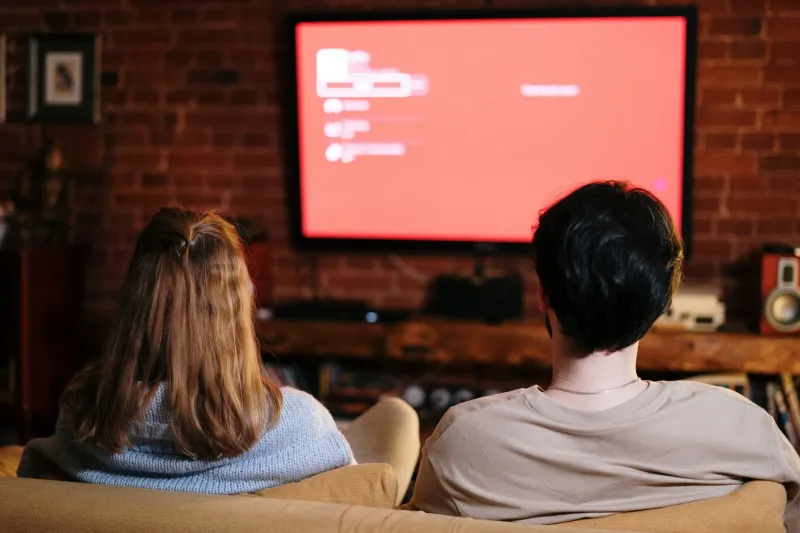
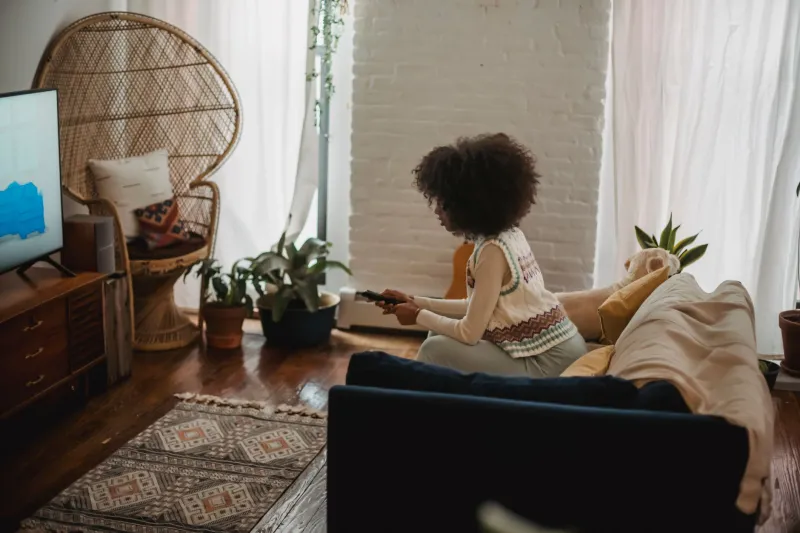
There's a good chance that right now, somewhere in your house, a show is playing that nobody is watching. Michael Scott is saying something on a TV in the den while two people scroll their phones in separate rooms. On the kitchen screen, a British guy is judging a sponge cake. Nobody knows which episode it is. Nobody needs to.
This is the ambient viewing economy, and it might be the biggest thing happening in American entertainment that nobody bothered to announce.
The Show You've Seen 400 Times Is Doing a Job
Call it what you want — background TV, comfort noise, emotional wallpaper. The behavior is the same: putting on a familiar show specifically so you can ignore it. It sounds absurd until you realize you've done it this week.
The Office is the undisputed heavyweight champion here. It left NBC's prime-time lineup ages ago, yet it has spent years topping Nielsen's streaming charts, largely on the backs of people who fall asleep to it. When it briefly left Netflix for Peacock, subscribers followed it like it was a family member in the hospital. Nobody was worried about missing new jokes. They were worried about losing the sound.
And that's the tell. Ambient shows aren't chosen for their plots. They're chosen for their texture — the mid-2000s office hum, the clatter of a bake-off tent, the chipper shouting of a house-flipping reveal. You could identify any of them from another room with the door closed. That's not a bug. That's the whole product.
Your Brain Is Not Binge-Watching. It's Self-Soothing.
Psychologists have a decent handle on why this works. Familiar audio creates a sense of predictable social presence — voices in the room that never surprise you, never argue with you, never need anything from you. For people who live alone, work from home, or just wind down slowly, that background chatter can take the edge off an empty apartment the same way a radio did for previous generations.
The difference is that the radio didn't have an algorithm learning your habits. Now streaming platforms can see exactly which titles get rewatched at 11 p.m., played at low volume on a second screen, or cycled through in 15-minute chunks. That data is gold, and everyone knows it. 'Rewatchability' has quietly become a greenlight criterion — studios aren't just asking if a show is good, they're asking if it can be left on.
It explains a lot of what gets made now. Low-stakes competition formats. Cozy renovation shows. Endlessly divisible sitcoms with 22-minute episodes and no real cliffhangers. These aren't accidents. They're appliances.
The Comfort Catalog Is a Business Model Now
Notice how every major streamer eventually acquires or builds its own version of The Office? NBC has the real thing on Peacock. Netflix keeps a rotating bench of sitcoms and cooking shows that exist, functionally, as household infrastructure. HGTV content lives rent-free in half the smart TVs in America.
The economics are straightforward: a show that gets replayed hundreds of times is worth more per license dollar than a prestige drama watched once and discussed for a weekend. Engagement metrics don't care that you weren't paying attention. Minutes are minutes.
There's a weird irony in that. The shows critics celebrate — the ones with endings, stakes, and artistic ambition — are often the worst ambient viewing, because they demand something from you. The shows that endure in the background are the ones that ask nothing. Michael Scott will never make you cry about a coal mine. Probably.
Nobody Planned This. Everybody Does It.
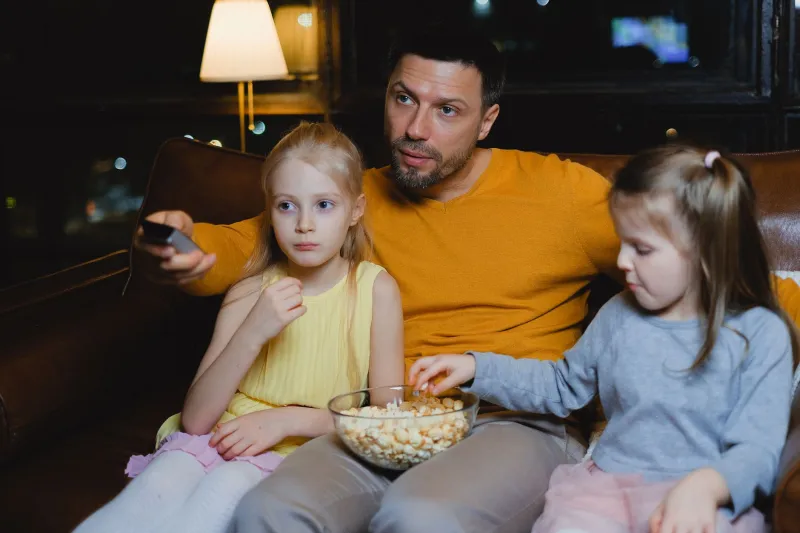
Ask around and you'll find the ritual is nearly universal: dinner gets made with a cooking competition on, dishes get done with a sitcom on, lights go out with the same episode that closed last night. The show isn't the activity. It's the roommate.
So the next time someone catches you rewatching a series for the dozenth time and asks why you don't watch something new — you can tell them the truth. You already saw the good part. The good part is that it's still on.