Half-Watching America: The Phone Is Doing All the Real Work While Your TV Just Vibes
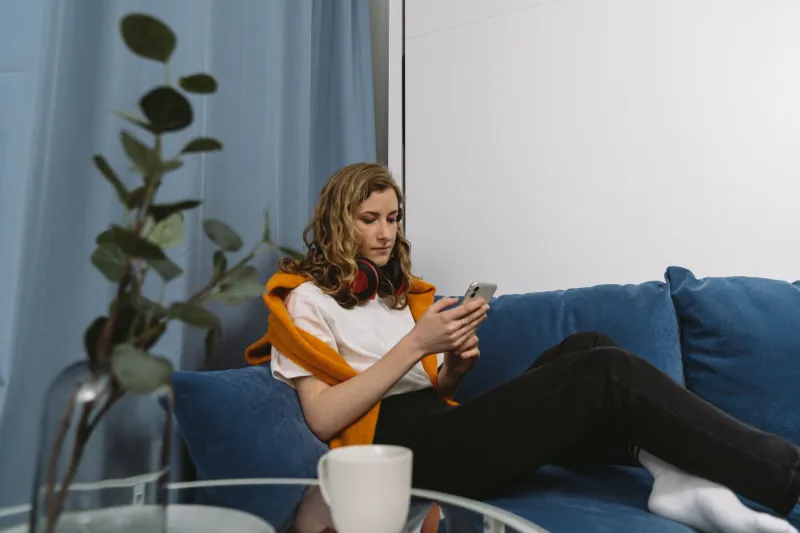
Be honest with yourself for a second. The last time you sat down for a full episode of something, where was your phone? If the answer is 'in my hand, checking the score, answering a text, and buying socks' — congratulations, you're the average American viewer.
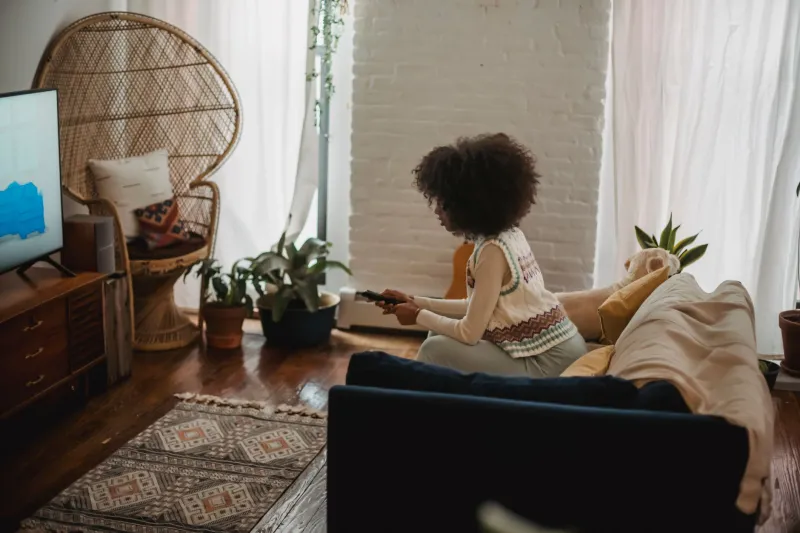
The TV used to be the main event. Now it's the mood lighting. The phone runs the show, even when the show is technically what you're doing.
The Numbers Don't Lie, Even If You Do
Industry surveys have been flagging this for years: a huge share of viewers — and among younger adults, the clear majority — report using their phone 'often' or 'always' while watching TV. Some studies put second-screen usage during primetime north of 80%. Reading those numbers, you have to wonder what 'watching' even means anymore.
What are people actually doing on that second screen? The list is surprisingly wholesome and weirdly specific:
- Checking live sports scores (while the game is on the TV in front of them)
- Texting the group chat about the show they're currently watching
- Looking up 'what else has that actor been in' mid-scene
- Online shopping, because the couch is where impulse purchases live
- Scrolling social feeds on pure autopilot
Notice what's missing from that list: anything that requires the TV to be the focus. The television has become ambient — a warm, flickering presence that fills the room while the phone handles the actual cognitive workload.
Ambient TV Is a Feature, Not a Bug
There's a case to be made that this isn't a decline in attention. It's a new format entirely. Think of it like background music. Nobody says you're 'failing at listening' when a playlist hums through the kitchen while you cook. But somehow we still talk about TV like every viewing session should be a darkened room and undivided devotion.
That's not how most of America consumes it. The TV is on during dinner prep. It's on during laundry. It's the third family member in the living room, narrating the evening while everyone's phone does its own thing. Shows get 'watched' in fragments, stitched together by vibes rather than full attention.
And honestly? Some shows have figured this out. You've noticed the trend without naming it: more establishing shots, dialogue that recaps what happened, plots engineered so a three-minute scroll doesn't lose you. That's not dumbing down. That's design meeting reality.
The Second Screen Changed the Shows Themselves
Writers and producers aren't blind. The rise of the 'second-screen-friendly' episode is real — shows that front-load their hook in the first ninety seconds, drop visual Easter eggs that reward a pause-and-look-up, or lean into cast members whose off-screen drama drives engagement loops on social media.
Reality TV might be the purest example. A chunk of its value isn't on the screen at all — it's in the discourse it generates. The episode is the fuel; the group chat and the timeline are the engine. If nobody's posting about it, did it even air?
Meanwhile, prestige TV still fights for your full attention — but even it has adapted, with recaps, 'previously on' segments, and narrative structures forgiving enough to survive an interruption for a DoorDash update.
What We Lose When We Never Fully Watch
Here's the part worth sitting with. There's a particular kind of satisfaction that only comes from giving something your whole attention — a finale that lands, a twist that actually shocks you because you weren't three tweets deep when it happened. Fragmented viewing trades that depth for flexibility, and most of the time, that trade feels fine.
But every so often you catch yourself at the end of a four-hour 'watch session' realizing you couldn't summarize a single plot point. That's the moment you know the TV was furniture and the phone was the evening.
The fix isn't to smash your phone in a drawer (though, honestly, try it once). It's just knowing which shows deserve first-screen status and which ones are happy being wallpaper. Save the dense, twisty stuff for a night when you can actually commit. Let the comfort sitcoms hum in the background where they belong.
The Living Room Isn't Going Anywhere
The TV isn't dying. It's just been demoted from lead actor to beloved character actor — always present, rarely the focus, quietly holding the whole scene together. Meanwhile the phone does the texting, the buying, the score-checking, the arguing.
Entertainment is adapting to us, not the other way around. And once you accept that 'watching TV' in 2025 means doing six things at once, you can stop feeling guilty about it. The couch fits both screens. Always has.