Every Household Has a Remote Boss — Here's Why You're Not That Person

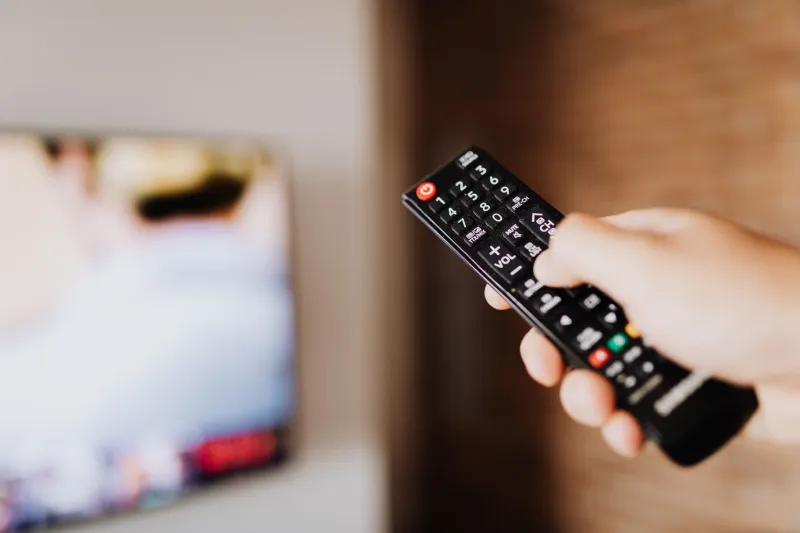
In every American living room, there is a throne. It's not a chair. It's not even a person, exactly. It's a small black rectangle that everyone touches but only one person truly wields.
We're talking, of course, about the remote. And more specifically, about the person holding it.
Nobody elected this person. There was no meeting, no vote, no formal transfer of power. And yet, if you've ever lived with family, a partner, or roommates, you know exactly who runs the TV in your house. You've just never said it out loud.
The Quiet Coup Nobody Remembers
Ask around and you'll hear the same story with different names. My friend Dana in Ohio describes her husband as "the curator" — he queues up everything, from the evening news to the kids' Saturday morning cartoons, and everyone just... accepts it. Meanwhile, a guy I'll call Marcus admits that in his Chicago apartment, his roommate controls the TV so completely that Marcus once watched three full seasons of a show on his phone, in his room rather than suggest an alternative.
"It wasn't worth the conversation," he told me. "You know?"
We do know, Marcus. We know.
The Remote Boss rises not through aggression but through attrition. They're the one who always has an answer to "what should we watch?" — a question that has ended more relationships than anyone wants to admit. Decision fatigue is real, and whoever absorbs it on behalf of the household accumulates power the way sediment accumulates into rock: slowly, invisibly, permanently.
A Field Guide to Remote Controller Personalities
Not all Remote Bosses are built the same. After extensive (read: extremely fun) research, we've identified the major archetypes:
The Curator. Has a watchlist. Has actually watched the watchlist. Recommends things with the confidence of a sommelier and is usually right, which is why nobody challenges them. Dangerous only because their taste becomes the household's taste, and you may wake up one day realizing you've seen every documentary about competitive cheese-making because Greg likes them.
The Channel Surfer. Cannot let a remote rest. Commercials, slow scenes, anything under 90 seconds of momentum — gone. They've seen 40 minutes of nine different things tonight. Watching TV with them is less an activity and more a weather event.
The Anouncer. (Yes, anouncer.) They narrate. They predict plot twists out loud. They hold the remote hostage as a platform for their own personal podcast. The remote isn't for changing channels; it's a microphone.
The Gatekeeper. Watches the same four shows on a loop. The Office, Parks and Rec, Seinfeld, maybe King of Queens if things get wild. The remote exists to press play on episode 147 of a show everyone has memorized. Comfort is the product; novelty is the enemy.
The Diplomat. Asks everyone what they want, takes a census, and then picks what they wanted anyway. The most insidious archetype, because their tyranny wears a smile.
Why Nobody Fights Back
Here's the thing: most households could stage a coup in about four seconds. The Remote Boss is not physically imposing. They don't hide the remote (okay, sometimes they hide the remote). They stay in power because challenging them requires doing the one thing nobody wants to do after a long day: deciding something.
The Remote Boss's true superpower isn't the remote. It's the burden they've convinced everyone else to hand over — the exhausting, endless question of "what do you feel like watching tonight?" In an era of a thousand streaming services and a hundred thousand options, that burden is heavier than ever. Whoever carries it rules.
Negotiating Without a Family Coup
If the dynamic is working, leave it alone. Seriously — a benevolent Curator is one of the great unheralded luxuries of domestic life. But if resentment is simmering, a few low-drama fixes help:
Institute rotation nights. One night a week, someone else picks. No vetoes, no commentary, no sighing during the slow parts. The sighing is where coups start.
Separate the screens. Not every viewing session needs to be communal. The person who wants to binge a reality show at 11 p.m. can do that on a laptop without subjecting the room to it.
Name the dynamic. Half the power of the Remote Boss comes from the arrangement being unspoken. Say it out loud — "you're the Remote Boss, and we're doing something about it" — and it instantly becomes a joke you can manage instead of a resentment you can't.
Give the Boss a title. Sometimes people cling to the remote because it's the only domain where they feel in charge. Let them have the remote; take back the thermostat. Trade territories. Peace treaties have been built on less.
The Remote Falls Silent Eventually
Here's the bittersweet footnote: one day, the living room gets quiet. Kids grow up and take their remotes elsewhere. Roommates move out. Partners end up watching in separate rooms with separate screens, and the old arguments about what to watch start sounding, in hindsight, kind of nice.
So the next time the Remote Boss in your house fires up their fourth consecutive episode of something you've seen eleven times, consider letting it ride. The tyranny is temporary. The couch is forever.
And hey — you can always stage your coup on rotation night. Bring snacks. Nobody rebels on an empty stomach.