Mass Exodus: The Moment America Decided to Quit Streaming All at Once

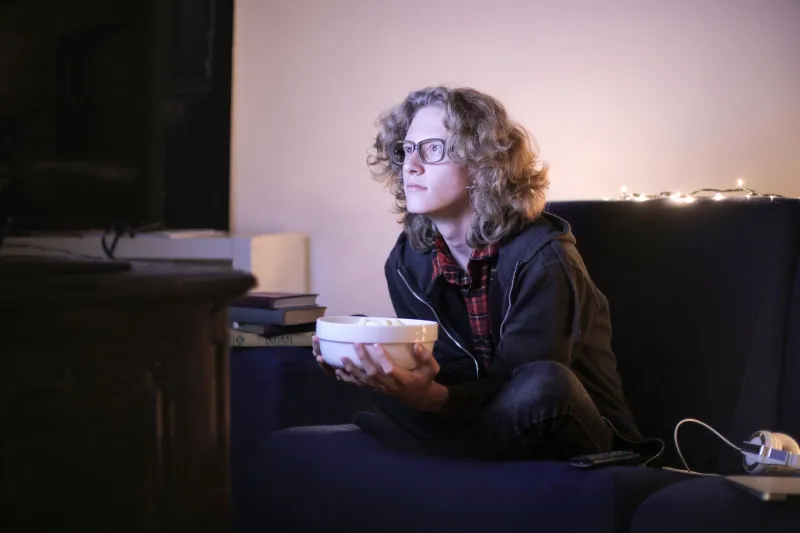
Photo by Photo by Vitaly Gariev on Unsplash on Unsplash
Something shifted. You probably noticed it in your group chat first — someone said they finally canceled Netflix, and then three other people immediately said same. Not last month. Not gradually. All at once, like a fire drill everyone secretly agreed to run.
This isn't just anecdotal. Subscription cancellation rates have been spiking in coordinated waves, and analysts are scrambling to explain why it feels less like individual consumer decisions and more like a synchronized cultural event. The Great Streaming Purge is real, it's happening right now, and the reasons behind it are way more interesting than "the prices got too high."
Sure, the Prices Are Ridiculous — But That's Not the Whole Story
Let's get the obvious part out of the way: yes, streaming services have been quietly (and sometimes not so quietly) hiking their monthly rates while simultaneously downgrading what you get at the base tier. Netflix, Hulu, Max, Peacock — they've all done the slow creep. You signed up at $8.99 and woke up one day paying $17.99 for the privilege of watching the same three shows everyone else is watching.
But price fatigue alone doesn't explain synchronized cancellation behavior. People have been quietly tolerating creeping costs for years. What changed isn't the dollar amount — it's the feeling attached to it.
When you're paying for something and genuinely loving it, the cost feels invisible. When you're paying for something and spending 40 minutes scrolling through a wasteland of content you've already seen or never wanted to see in the first place, that monthly charge suddenly feels like a personal insult. The math didn't change. The emotional math did.
The Password-Sharing Crackdown Was the Match That Lit the Fuse
Netflix's decision to crack down on password sharing was supposed to be a revenue win. And in the short term, it kind of was — new subscriber numbers ticked up. But it also did something nobody at the executive level seemed to fully anticipate: it forced millions of casual, low-investment viewers to make an active decision about whether they actually wanted to pay for the service themselves.
Turns out, a lot of them didn't.
When you're riding on someone else's subscription, you never have to confront the question of whether the service is worth your own money. The crackdown forced that reckoning. And once people started asking the question honestly, the answer was often a shrug followed by a cancellation confirmation email.
Other platforms took notes — and then made the same mistake anyway. Because the quarterly revenue pressure is real, and the long-term subscriber psychology is apparently harder to model than a spreadsheet.
Content Fatigue Is a Legitimate Medical Condition (Almost)
Okay, not literally. But content exhaustion is absolutely a documented cultural phenomenon at this point. The streaming era promised us more of everything — more shows, more movies, more documentaries, more prestige drama, more reality TV, more everything. And it delivered. Spectacularly. Overwhelmingly.
The problem is that more eventually becomes too much, and too much eventually becomes none of it feels special. When every platform is dropping a "must-watch" series every single week, nothing is actually must-watch anymore. The scarcity that once made appointment television feel electric has been completely dissolved.
People aren't just canceling because the content is bad. A lot of it is genuinely good. They're canceling because the sheer volume of it has made the entire experience feel exhausting rather than enjoyable. Leisure shouldn't feel like homework, and somewhere along the way, keeping up with your streaming queue started feeling exactly like that.
The Social Layer Broke Down
Here's the part that doesn't get talked about enough: streaming was always partly a social experience, even when you were watching alone. You watched Stranger Things because everyone was talking about Stranger Things. You powered through The Bear because you needed to have opinions ready for Monday morning.
But the conversation has fragmented so badly that the social glue holding people to their subscriptions has basically dissolved. There are too many platforms, too many shows, and too many simultaneous cultural moments for any single streaming service to reliably deliver the "you have to watch this right now" energy that justified the cost.
When the social reward for staying subscribed disappears, the calculus changes entirely. You're not just paying for content anymore — you're paying for access to a cultural conversation that may or may not be happening on that particular platform in any given month.
Is This the Beginning of the End, or Just a Quarterly Blip?
Here's the uncomfortable truth: this has happened before, in smaller waves, and the streaming giants have survived every single time. People cancel, they miss something, they re-subscribe for a month to watch one show, and then they cancel again. The churn cycle is practically a business model at this point.
But something about the current moment feels different in scale and in sentiment. The cancellations aren't just happening — they're being celebrated. People are posting about unsubscribing like it's a wellness win. "Canceled three streaming services this week" has the same energy as "started going to the gym." That cultural shift in how cancellation is perceived — from missing out to opting out — is significant.
The streaming era isn't ending. But it is entering a new phase, one where the default isn't "subscribe to everything" but rather "subscribe to exactly what you need right now and nothing else." That's a fundamentally different consumer relationship than what these platforms were built around.
What Comes Next Is Actually Kind of Interesting
The platforms that survive the purge won't necessarily be the ones with the most content or the lowest prices. They'll be the ones that figure out how to make their subscribers feel like the subscription is worth something beyond just access to a library.
That might mean better curation. It might mean more live events and real-time cultural moments. It might mean leaning harder into community features, or finding ways to recreate the appointment-viewing energy that cable TV had before streaming killed it.
Or it might mean something nobody has thought of yet — which, honestly, is the most interesting possibility of all.
For now, though, the purge continues. Somewhere in America, someone is opening their banking app, seeing a streaming charge they forgot about, and clicking cancel before they even think twice about it. And then texting their friends to tell them about it. And their friends are doing the same thing.
All at once. Everywhere. All the time.