The Director Is Talking and Nobody Can Hear Them Anymore
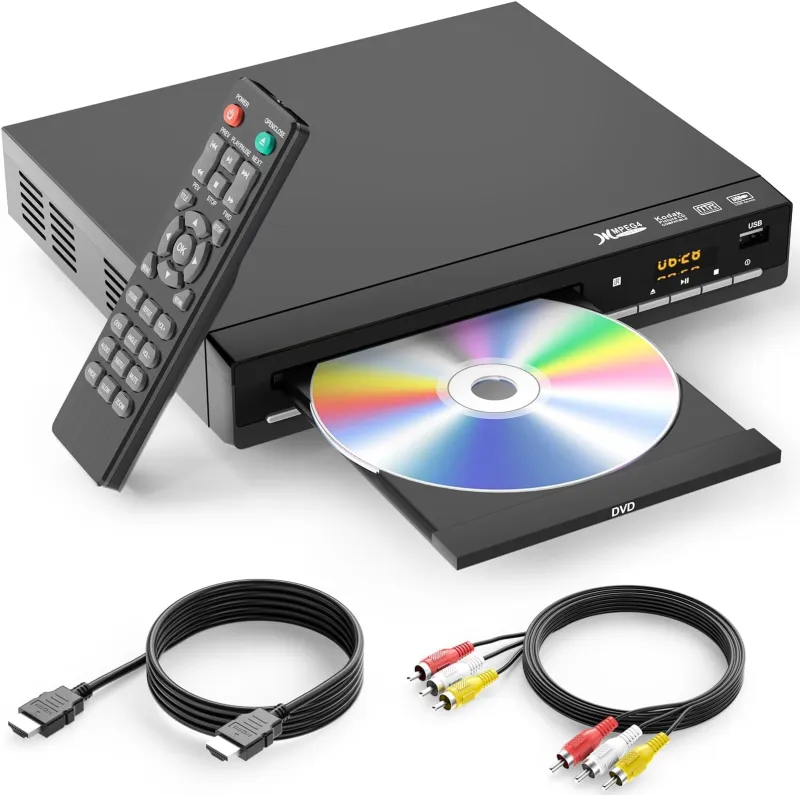
Photo: DVD special features menu on television screen with director commentary, via m.media-amazon.com
The director's commentary is one of the strangest gifts the DVD era ever gave us: a movie, but with someone in your ear explaining why the movie looks the way it does. Sometimes it was brilliant. Sometimes it was a guy saying we shot this in a parking lot in Burbank for ninety minutes. Either way, it was unfiltered in a way that almost nothing on television is now.
And it is mostly gone.
The extra that told the truth
Commentary tracks were never the main event. They were buried in a menu under Special Features, next to the blooper reel and the deleted scenes with an apology attached. You had to want them. You had to choose them. That friction was the filter. The people who listened were the people who cared, and the people who made them knew that.
That produced a strange intimacy. Directors talked about budgets. Editors admitted which scene did not work. Actors laughed at their own choices. Crew members explained how a shot was stolen, how a location fell through, how a visual effect was held together with tape and a deadline. It was not a press junket. It was not a behind-the-scenes special with dramatic music and a narrator. It was just people talking over a movie they made, sometimes bored, sometimes defensive, sometimes honest in a way that no red-carpet interview would ever allow.
Streaming optimized the conversation away
When streaming became the default, the DVD menu disappeared. There is no little disc icon to click. There is no shelf of extras. There is a thumbnail, a play button, and an algorithm waiting to move you to the next thing. Bonus features did not fit the model. They take up rights clearance, storage, and menu design. They slow down the funnel. They are the opposite of autoplay.
So the commentary track became a niche product. Some streaming services still offer extras, but they are often buried, inconsistent, or missing entirely when a title moves between platforms. Licensing deals do not always include the bonus materials. A movie can arrive on a service looking clean and complete and still be missing the one thing that explained how it was made.
That is the quiet loss. It is not that commentary tracks were popular. They were not. It is that they were the only place where creators spoke without a marketing department in the room. Everything, everywhere, all the time, except the one thing that explained how it was made.
What disappeared was context, not trivia
People sometimes reduce commentary tracks to trivia. Yes, there is trivia. Yes, there are stories about actors who almost got the part and props that were stolen from set. But the real value was craft. You could hear a director explain why a scene was cut, why a performance was pitched a certain way, why a joke landed or did not. You could hear the compromises. You could hear the labor.
That matters in a culture that treats television and film as content that simply appears. Commentary tracks reminded you that a show is a collection of decisions made by people with budgets, schedules, and arguments. They were the unglamorous bonus track of the entire medium.
The small rooms where it survives
The good news is that commentary culture is not dead. It is just smaller and more expensive. Boutique physical media labels still treat commentary tracks as a reason to buy a disc. Criterion, Shout Factory, Arrow, Kino Lorber, and other specialty outfits keep the format alive for people who want the full package. Some 4K releases in 2026 still include new commentaries recorded specifically for the edition. If you want the conversation, you can still find it. You just have to look in the places that still value the conversation.
There are also podcasts, video essays, and commentary screenings. YouTube is full of people talking over movies, though that is a different animal. The best of it carries the same spirit: someone who knows how the thing was made, talking to people who want to know. It is not the same as a director sitting in a booth with a microphone and a movie, but it is close enough to prove the appetite never fully went away.
Why a number like 7081 cares about the bonus track
A site named after four digits has no business pretending to be precious about the mainstream. But the commentary track is the perfect artifact for a place like this. It is the extra. It is the thing nobody optimized. It is the address that does not need a brand story. It is a conversation that exists because someone thought it was worth having.
Streaming gave us everything, everywhere, all the time. It did not give us the director in the corner of the room, explaining why the parking lot in Burbank mattered. That is a small loss, but it is a real one.